Cart
0
Quick Summary
Keep jewelry sparkle by removing pieces before bed, showering, swimming and workouts, then wiping each one with a soft, lint-free cloth. Put jewelry on last each morning, after lotion, sunscreen, perfume and hair spray have dried. Store pieces separately in a lined box or soft pouch.
- Take pieces off before sleeping, showering, swimming and working out.
- Wipe metal first, then the stone, using a soft, lint-free cloth.
- Put jewelry on after lotion, sunscreen, perfume and hair spray dry.
- Wash hard-stone and solid-metal pieces weekly in warm water with mild dish soap.
- Never soak pearls or opals; wipe them with a barely damp cloth and dry immediately.
Want jewelry that stays bright?Sheweetie.com offers everyday pieces designed for daily wear.
Shop Everyday Jewelry
Table of Contents
- Why Jewelry Loses Its Sparkle Between Cleanings
- A Simple Daily Routine to Keep Jewelry Shining
- How to Prevent Jewelry From Tarnishing
- How Often to Clean Jewelry and When to Stop Wearing It
- Frequently Asked Questions
How to Keep Jewelry Sparkling Every Day
Last Updated: November 7, 2026
Why Jewelry Loses Its Sparkle Between Cleanings
Jewelry loses its jewelry sparkle faster than most people expect. Daily wear picks up skin oil, lotion residue, and dust, and within days that film dulls even well-made pieces. A short daily habit beats a big annual cleaning.
A Simple Daily Routine to Keep Jewelry Shining
Daily care is not a deep clean, and a few minutes of it keeps your jewelry sparkle intact. The goal is stopping oil, lotion, and dust from setting into a film, about two minutes a day.
- Remove pieces before bed, showering, swimming, and workouts. Sleep pressure bends prongs and stretches chains; shampoo, chlorine, and sweat leave dulling residue.
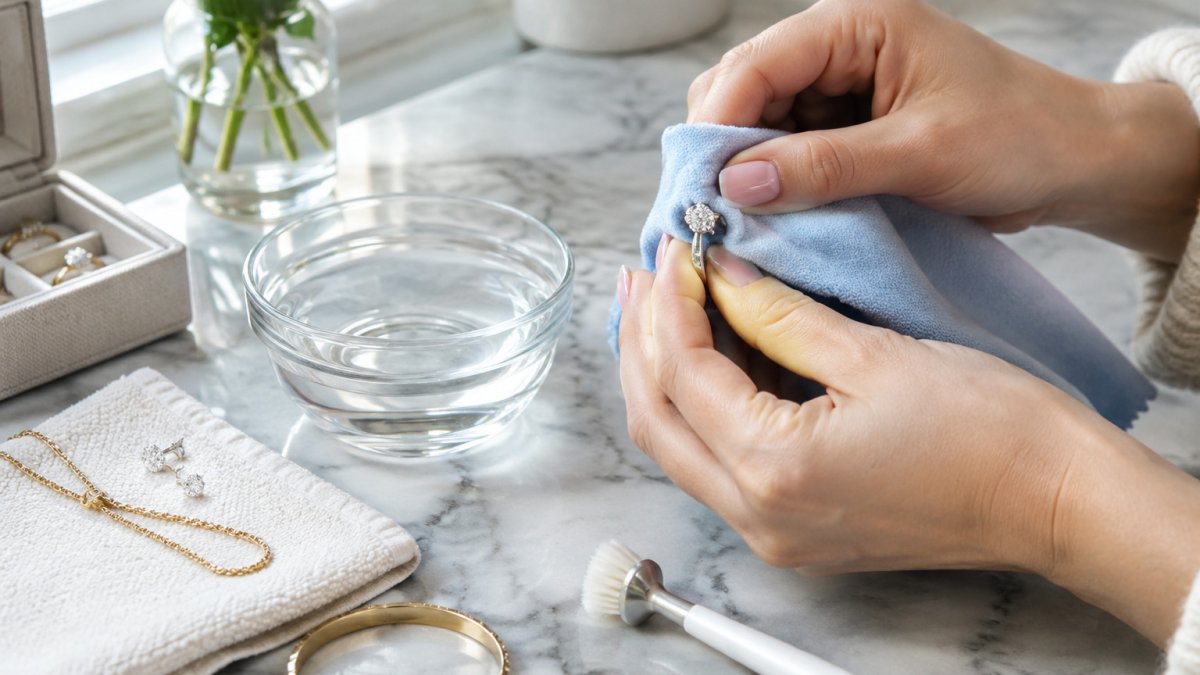
- Wipe each piece with a soft, lint-free cloth, microfiber or clean cotton. Wipe the metal first, then the stone.
- Put jewelry on last in the morning. Let lotion, sunscreen, perfume, and hair spray dry first; these cloud stones and plated finishes.
- Store pieces separately in a lined box or soft pouch so metal does not scratch metal and chains do not tangle.
-
Diamonds and other hard stones in prong settings: a soft brush and warm water with a drop of mild dish soap is safe; rinse well and pat dry. Check that prongs feel tight before and after cleaning.
-
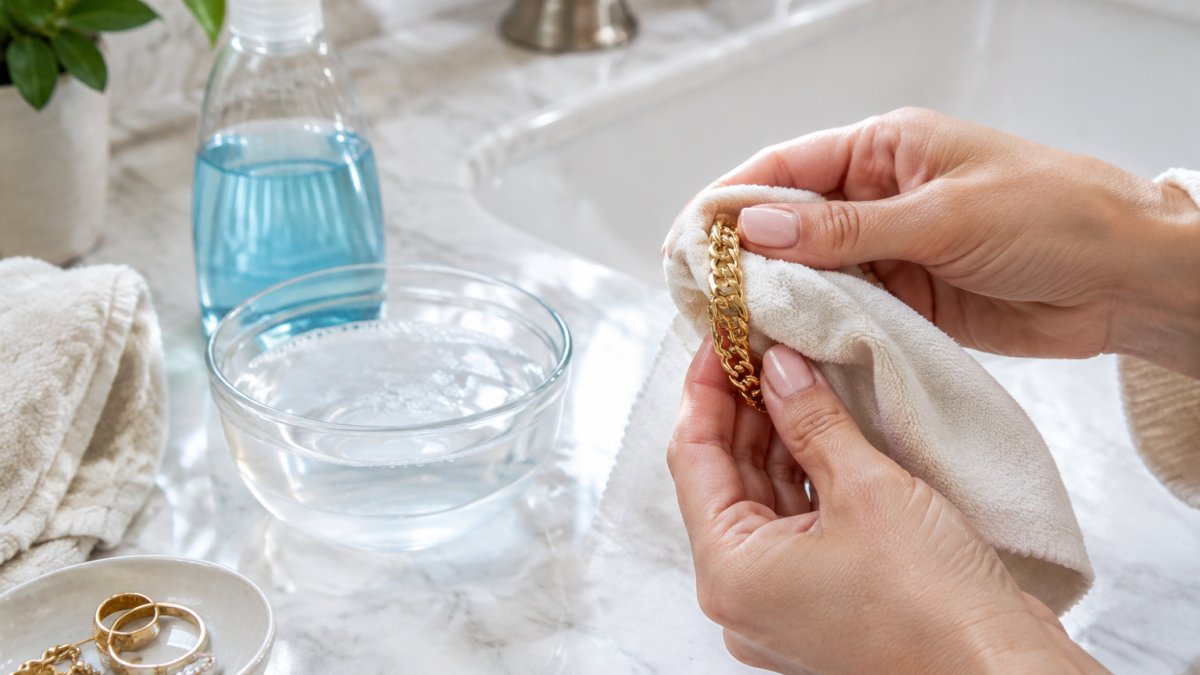
Pearls, opals, turquoise, and other porous or soft stones: never soak. Wipe with a barely damp soft cloth and dry immediately.
-
Plated jewelry and delicate finishes: skip brushing and abrasives. A dry soft cloth is usually enough; wet cleaning wears plating faster.
-
Glued settings and fashion pieces: avoid soaking and heat, which soften adhesive and loosen stones. Wipe gently and air-dry fully before storing.
-
Silver: a soft cloth plus a silver-polishing cloth for tarnish; store dry, ideally with an anti-tarnish strip.
-
Toothpaste and baking-soda pastes: abrasive particles permanently scratch polished metal and some stones.
-
Bleach, chlorine, and ammonia-heavy cleaners: chlorine attacks gold alloys and can pit or discolor metal; ammonia can harm porous stones and some treatments.
-
Boiling water and sudden temperature changes: thermal shock can crack opals, pearls, and some treated stones.
-
Ultrasonic cleaners on the wrong pieces: risky for pearls, opals, emeralds, glued settings, and plated jewelry. When in doubt, skip it.
Watch out: wiping a pearl or opal with the same damp cloth used on a diamond ring can transfer grit that scratches the softer surface, use a separate clean cloth for delicate pieces.
Once a week, wash hard-stone and solid-metal pieces in warm water with a drop of mild dish soap, brush gently around prongs and links, rinse thoroughly, and pat dry. Delicate and plated pieces stay on the dry-wipe schedule.
The daily routine comes down to a few steps, each done at a set point in the day.
| Step | What to do | Time or frequency |
|---|---|---|
| Remove pieces | Take off before bed, showering, swimming and workouts | Every day |
| Wipe | Use a soft, lint-free cloth, metal first then stone | About two minutes daily |
| Put on last | Apply jewelry after lotion, sunscreen, perfume and hair spray dry | Each morning |
| Store separately | Keep pieces in a lined box or soft pouch | Ongoing |
| Weekly wash | Use warm water and a drop of mild dish soap on hard stones and solid metal | Once a week |
How to Prevent Jewelry From Tarnishing
Tarnish and dullness are not the same problem. Tarnish is a chemical change in the metal and is harder to reverse. Slow it by keeping pieces away from moisture, chlorine, and harsh chemicals, a common mistake is wearing jewelry in the shower or pool, then leaving it damp in a closed box. For a deeper, step-by-step guide, read how to prevent jewelry from tarnishing at home. Store tarnish-prone pieces in a dry, airtight spot with a small anti-tarnish pouch, and wipe them dry after any contact with water.
Our Intensity Bracelet is waterproof, tarnishing-free, hypoallergenic, and durable, which makes it an easy everyday choice when you want less upkeep.

How Often to Clean Jewelry and When to Stop Wearing It
Frequency should follow wear, not the calendar. A practical schedule: if your skin is reactive, choosing jewelry for sensitive skin explains which materials to pick.
- Worn daily, next to skin: wipe after every wear; wash weekly with mild soap and warm water for solid-metal and hard-stone pieces.
- Worn a few times a week: wipe after each wear; wash every two to three weeks.
- Occasional or seasonal pieces: inspect and wipe before and after each wearing; deep clean once or twice a year.
- High-exposure pieces (workouts, gardening, heavy sunscreen use): wipe daily, wash weekly, and check settings more often.
- Delicate materials (pearls, opals, plated pieces, glued settings): dry-wipe after each wear; avoid routine soaking.
Deep clean only when the shine looks flat after a normal wipe-and-wash, or when you can see buildup around prongs and links.
- Prongs and settings: look for bent, worn, or lifted prongs; a stone that rocks or spins is a stop-wearing signal.
- Stones: check for chips, cracks, or missing accent stones, especially after knocks.
- Clasps and jump rings: a clasp that opens under light pull or a jump ring with a visible gap can drop the piece.
- Chains and links: run the chain through your fingers to feel for stretched or opened links.
- Earring backs: confirm backs grip firmly; loose backs are a common cause of lost earrings.
- Surface and plating: watch for worn plating, discoloration, or green skin marks, which suggest exposed base metal.
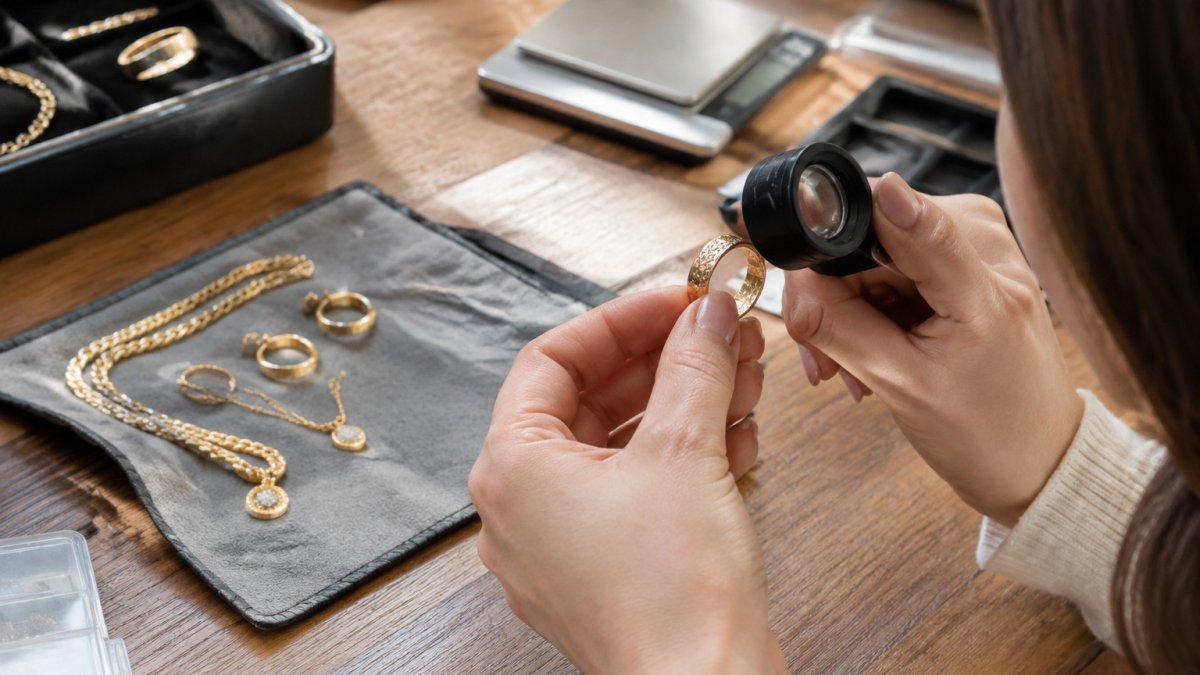
Stop wearing any piece that is loose, bent, missing a stone, has a stone that moves, or has a clasp that fails under gentle pull. Also stop if it causes irritation or leaves green or discolored skin, that can indicate exposed base metal or a reaction to plating. A jeweler can retip prongs, tighten settings, replace clasps, and re-plate before small issues become lost stones.
Watch out: a stone that feels tight today can loosen within weeks of daily wear, so a monthly two-minute check catches most problems before a stone is lost.
Want jewelry that stays bright with less effort? Browse our everyday collection at Sheweetie.com and find a piece you can wear every day.
Frequently Asked Questions
How often should I clean my jewelry?
Wipe everyday pieces with a soft, dry cloth after wearing them, since this removes skin oil and lotion before they build up. Do a deeper clean with warm water and mild dish soap about once a month for pieces worn daily, and more often if you notice dullness. Pieces worn only occasionally can be cleaned every few months. Always rinse thoroughly and pat dry with a lint-free cloth so no soap film is left behind to dull the shine.
What should I avoid using to clean jewelry?
Avoid perfume, hairspray, lotion, and harsh chemicals such as bleach or strong household cleaners, because they can dull finishes and damage settings. Skip abrasive scrubbers, toothpaste, and hot water on delicate stones. Put jewelry on after applying cosmetics and remove it before swimming in chlorinated pools or using cleaning products. Mild dish soap, warm water, and a soft brush are the safest everyday choices.
How can I prevent jewelry from tarnishing?
Store silver and other metals in a sealed bag or a lined jewelry box away from moisture and air, and add an anti-tarnish strip if you keep silver for long periods. Take jewelry off before showering, exercising, sleeping, and swimming, since sweat and water speed up tarnish. Dry pieces fully before putting them away and keep each piece separated so they do not scratch one another.