Cart
0
Last Updated: November 4, 2026
Quick Summary
Choose everyday jewelry that lasts by weighing the base metal, the finish, and your skin's sensitivities. Stainless steel and PVD-plated pieces are a practical choice for daily wear, while solid gold costs more and gold-plated pieces wear through at high-friction points.
- Solid gold uses the same alloy throughout, so it has no coating to wear off, but costs more and is softer.
- Gold plating is a thin layer over brass, copper, or steel that wears through at high-friction points.
- Vermeil has a gold layer of at least 2.5 microns over sterling silver, outlasting standard plating but still finite.
- Nickel is a common cause of metal sensitivity, and allergy can develop with repeated exposure.
- Remove pieces before swimming, exercising, or applying lotion or perfume, and store each piece separately.
Table of Contents
- Start With Metals That Hold Up to Daily Wear
- Pick Pieces for Sensitive Skin Before You Buy
- Care for Your Pieces So They Stay Put
- Frequently Asked Questions
Choosing everyday jewelry that lasts comes down to the metal, the skin it touches, and how you care for it. Stainless steel and PVD-plated pieces are a practical choice for everyday wear.
Start With Metals That Hold Up to Daily Wear
What separates a piece that lasts years from one that fades in months is the base metal, the finish, and the metal's hardness.
Know the three finish categories before you shop.
- Solid gold is the same alloy throughout, with no coating to wear off; the trade-off is cost and softness.
- Gold plated is a thin gold layer over brass, copper, or steel that wears through at high-friction points.
- Vermeil is a thicker gold layer (at least 2.5 microns in the US) over sterling silver that outlasts standard plating but still has a finite coating life.
For a durable starting point, browse the men's jewelry collection or see a 18k gold PVD stainless steel blessed layered cross charm necklace as an example of a plated piece built for daily wear.

The table below sums up the three finish categories so you can compare how each one holds up.
| Finish | Construction | Key limit |
|---|---|---|
| Solid gold | Same alloy throughout | Cost and softness |
| Gold plated | Thin gold layer over brass, copper, or steel | Wears through at high-friction points |
| Vermeil | Gold layer of at least 2.5 microns over sterling silver | Coating life is finite |
Pick Pieces for Sensitive Skin Before You Buy
Nickel is a common cause of metal sensitivity, and nickel allergy can develop with repeated exposure (Metal Allergy and Systemic Contact Dermatitis: An Overview).
Rank materials by skin-safety risk:
- Lowest risk: implant-grade titanium, niobium, and surgical stainless steel (316L).
- Moderate risk: solid 14k or 18k gold and sterling silver, which may contain trace nickel.
- Highest risk: brass, copper, and cheap electroplated fashion jewelry.
Practical buying moves:
- Look for "nickel-free" or "316L stainless steel," and treat vague "hypoallergenic" claims as marketing until the material is named.
- Prefer PVD finishes over standard electroplating; an intact coating keeps the base alloy off your skin.
- On earrings, check the post and backing material specifically.
The "Bees" Earrings are stainless steel with a PVD gold-plated finish, a stud closure, and a size of 2.2 x 1.7 cm, priced at $29.99.

Care for Your Pieces So They Stay Put
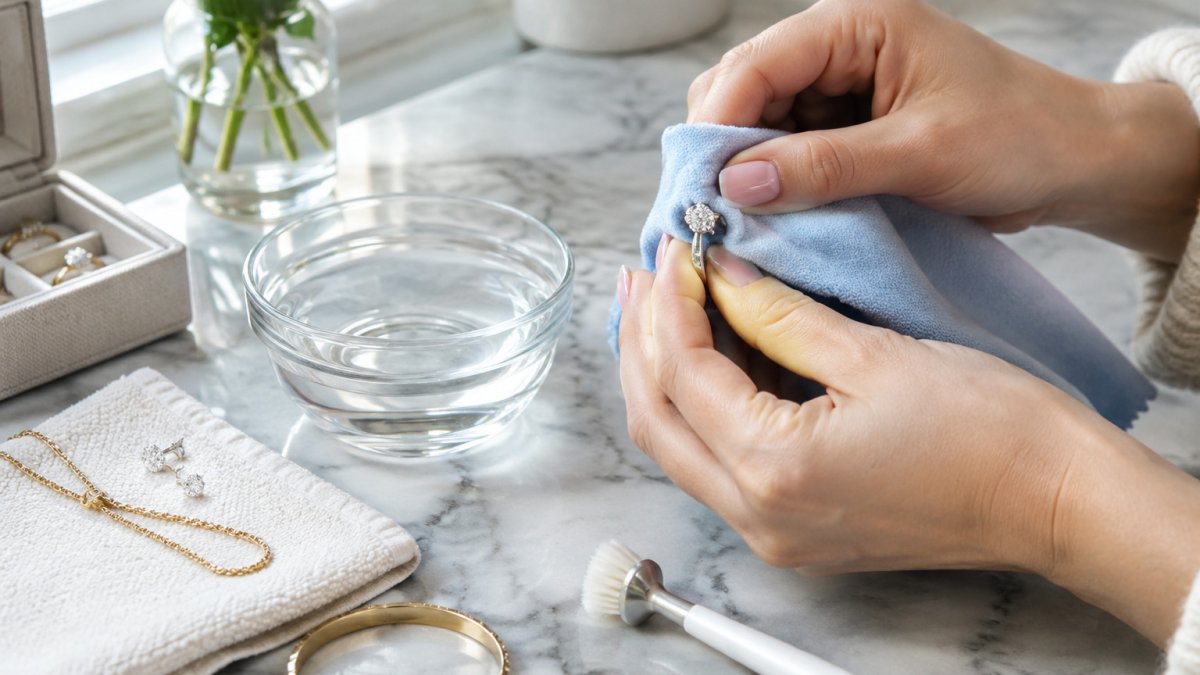
Remove pieces before swimming, exercising, or applying lotion or perfume; wipe them with a soft cloth after wear, and store each piece separately so chains do not tangle and plating does not scratch. Check clasps regularly and replace worn parts before they fail. Glass pearl charms refresh an existing piece, and a stainless steel infinity chain bracelet is a low-maintenance option for daily wear.

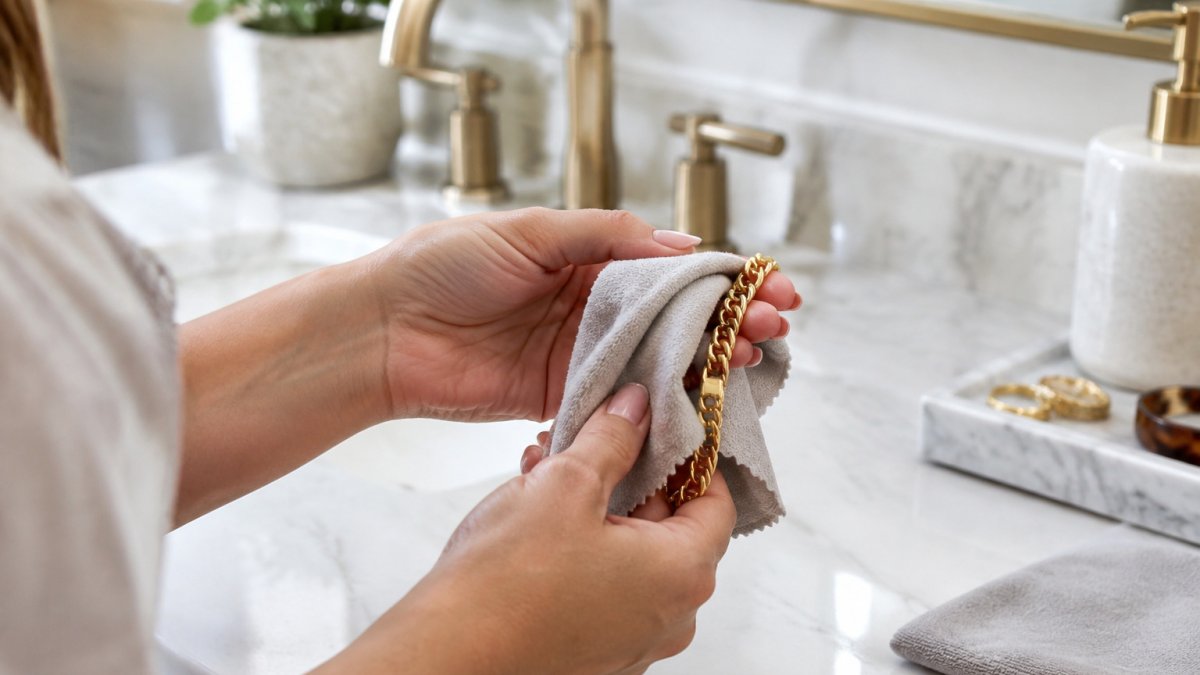
What makes jewelry last is a match between material and routine. Start with stainless steel and PVD plating, check materials for your skin, and give your pieces a little care.
Frequently Asked Questions
What kind of jewelry is best for wearing every day?
Pieces in stainless steel, PVD gold-plated stainless steel and solid metals usually handle daily wear best because they resist tarnish and hold their finish. Look for simple designs with secure closures, such as stud earrings with butterfly backs or chain necklaces with sturdy clasps. Lightweight pieces are also easier to wear all day without snagging on clothing or hair. Our Bees Earrings, for example, are waterproof, tarnishing-free and hypoallergenic.
What materials are best for jewelry worn every day?
Stainless steel is one of the most practical choices for everyday jewelry because it is durable. Solid metals and PVD gold plating offer a gold look with a more protective surface than standard plating. Avoid thin, unbacked plating on pieces you wear constantly, since daily friction wears it down faster. Check the listing for primary material and plating before you buy.
Which jewelry metals are best for sensitive skin?
Nickel is the most frequent cause of metal allergy, so check whether a piece is nickel-free before you buy. If your skin reacts to a piece, remove it and rinse the area with mild soap and water. Our Stainless Steel Bracelet - Intensity is made from stainless steel with no plating.
Frequently Asked Questions
Does stainless steel jewelry tarnish? Stainless steel resists tarnish far better than many base metals. Keeping pieces dry and removing them before swimming or exercise helps them keep their finish.
What should I look for in everyday jewelry? Look for stainless steel or PVD-plated pieces, check the closure and weight, and choose designs that suit how often you will wear them.